Motor Skill Symptoms
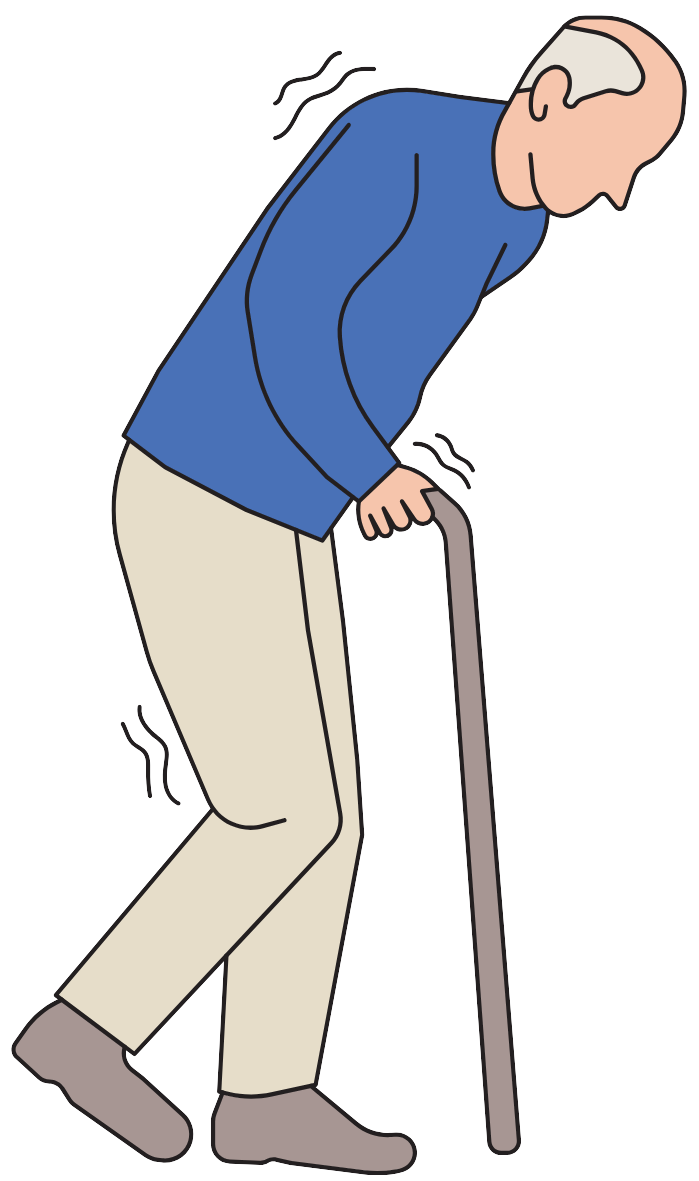
Non-Motor Skill Symptoms
CRREST Neurosciences Mission Statement
At CRREST Neurosciences, our mission is to revolutionize the landscape of Parkinson’s disease care in India through a comprehensive, patient-centric approach that encompasses awareness, early diagnosis, advanced treatment, and unwavering support. We are dedicated to enhancing the quality of life for individuals affected by Parkinson’s by offering world-class medical services and cutting-edge technologies, including Deep Brain Stimulation (DBS)—an advanced treatment option available at only a select few centers across the country.
We believe that creating awareness is the first step towards timely intervention. Through educational initiatives, community outreach programs, and partnerships with healthcare professionals, we aim to empower patients, families, and caregivers with the knowledge they need to recognize early signs and seek help without delay.
Our expert team of neurologists and neurosurgeons utilize the latest diagnostic tools to ensure accurate, early detection of Parkinson’s disease. We provide tailored treatment plans that integrate medication management, neurorehabilitation, and surgical options like DBS, ensuring optimal outcomes for every patient.
At CRREST, care extends beyond treatment. We are committed to walking alongside our patients and their families at every stage of the journey. Our support services include counseling, physiotherapy, speech therapy, occupational therapy, and long-term care planning—delivered with compassion, dignity, and respect.
With a vision to be a national leader in Parkinson’s disease care, CRREST Neurosciences is setting new benchmarks in excellence, accessibility, and innovation. Together, we strive to restore hope, movement, and independence—one life at a time.
Our Mission
Standing Strong with Parkinson’s Warriors
Our mission is to raise awareness, provide support, and promote early intervention for those affected by Parkinson’s Disease.
We are dedicated to empowering individuals and their families through education, accessible resources, and community initiatives. By fostering understanding and compassion, we aim to improve the quality of life for every person touched by this condition and work towards a future with better care, earlier detection, and ultimately, a cure.

Committee

Dr Mohit Anand
Consultant Neurologist & Movement Disorders

Dr. Sumit Singh
Chief - Neurology
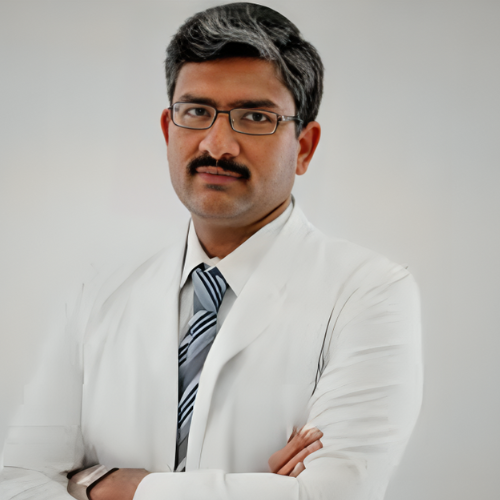
Dr Aditya Gupta
Chairperson - Neurosurgery & CNS Radiosurgery & Co-Chief - Cyberknife Centre
Parkinson’s Journey: Symptoms, Treatment & Support
Stories That Inspire


Frequently Asked Questions (FAQs)
- General Questions
- Symptoms
- Diagnosis
- Treatment
- Lifestyle & Support
- Prognosis and Future
Parkinson’s disease is a progressive neurological disorder that affects movement due to the loss of dopamine-producing neurons in the brain.
The exact cause is unknown, but it may involve genetic and environmental factors.
In most cases, it is not inherited, but some genetic mutations can increase the risk.
It affects over 10 million people worldwide, with increasing incidence in aging populations.
It usually starts after age 60, but early-onset Parkinson’s can occur before age 50.
Yes, though rare, people under 40 can develop young-onset Parkinson’s.
Parkinson’s itself is not fatal, but complications can reduce life expectancy.
It progresses slowly, affecting movement, speech, cognition, and daily function.
Tremor, stiffness, slowness, small handwriting, and changes in posture or facial expression.
Tremor, bradykinesia, rigidity, postural instability, and non-motor symptoms like sleep and mood issues.
It refers to slowness of movement and is a hallmark symptom of Parkinson’s.
Tremors are due to abnormal brain activity resulting from loss of dopamine.
Yes, including constipation, depression, fatigue, sleep disturbances, and cognitive changes.
Yes, some patients develop memory problems or Parkinson’s disease dementia in later stages.
Sudden, temporary inability to move, often affecting walking.
Yes, it can cause soft speech, slurred words, and difficulty swallowing.
Reduced facial movement (facial masking) is due to muscle rigidity and bradykinesia.
It is small, cramped handwriting, often an early sign of Parkinson’s.
Yes, depression and anxiety are common and often underdiagnosed.
Yes, including insomnia, REM sleep behavior disorder, and excessive daytime sleepiness.
Diagnosis is clinical, based on history, symptoms, and physical examination.
No definitive blood test exists for Parkinson’s; tests may rule out other conditions.
MRI can rule out other disorders; DaTscan may help confirm Parkinson’s.
By clinical signs, history, and response to Parkinson’s medications.
No single test confirms it; diagnosis is based on clinical evaluation and sometimes imaging.
Levodopa combined with carbidopa is the most effective treatment.
It is a medication that converts to dopamine in the brain to improve symptoms.
They mimic dopamine in the brain and help manage symptoms.
Yes, motor fluctuations and reduced effectiveness can occur with long-term use.
Fluctuations are ups and downs in symptom control; dyskinesias are involuntary movements.
A surgical procedure where electrodes are implanted to regulate abnormal brain signals.
Patients with good levodopa response but motor complications not controlled by meds.
MRgFUS is non-invasive ultrasound therapy for tremors; DBS is more adjustable and comprehensive.
Yes, like MRgFUS and older lesioning procedures (thalamotomy, pallidotomy).
It is still experimental and not a standard treatment yet.
Yes, a balanced diet improves energy, digestion, and medication absorption.
Very important—it improves mobility, balance, and mood.
Yes, with medication, physiotherapy, safety modifications, and caregiver support.
Stretching, strength training, balance exercises, and programs like LSVT BIG.
By helping with daily tasks, medication, appointments, and emotional encouragement.
Depends on symptom severity; regular evaluation by a doctor is essential.
Walkers, grab bars, adaptive utensils, and mobility aids.
It can lead to depression, anxiety, and cognitive decline.
Yes, many local and online groups offer education and emotional support.
As per the neurologist’s instructions, often in relation to meals and symptoms.
Not yet, but treatments can significantly improve quality of life.
There is no known way to prevent it currently.
Research focuses on genetics, neuroprotection, stem cells, and new drug therapies.
Many live 15-20+ years with proper treatment and care.
Neurology centers, movement disorder clinics, and specialized hospitals across India and globally.